As elections approach, they reappear everywhere: politicians behind party booths downtown. They seek contact, hand out leaflets and speak to citizens, because they want to represent our voice in municipal or national politics. But as soon as the elections are over, the booths disappear and it becomes quiet again. Four years later they are there again, with a new slogan: this time they are really going to do things differently.
Meanwhile, the public's trust must endure for four years. Only the next election will reveal whether the politician actually listened.
Should we give this politician a Sales Colors Assessment have it done, then he would probably be like Hunter emerge. He actively seeks contact, sees opportunities everywhere and has infectious enthusiasm. But if results are lacking, he loses attention just as quickly.
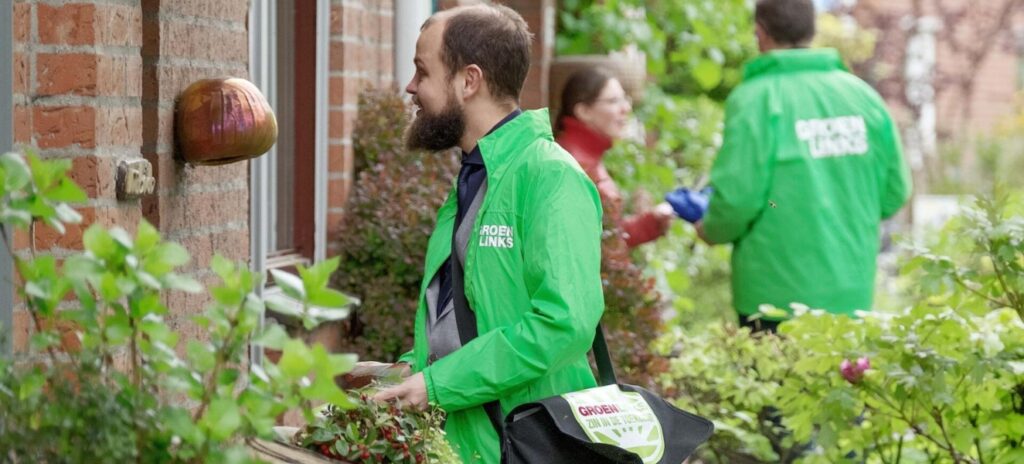
Many salespeople also have that Hunter DNA: they are driven, energetic and proactive. They represent their brand with conviction and know exactly when a potential customer is entering the market phase. Like the politician, they sometimes force a leaflet into your hands when you are not expecting it at all.
Too much emphasis on chasing carries risks. A salesperson may act pushy or be so focused on their own goal that the customer feels unheard. There is contact, but the conversation does not connect with the customer's needs.
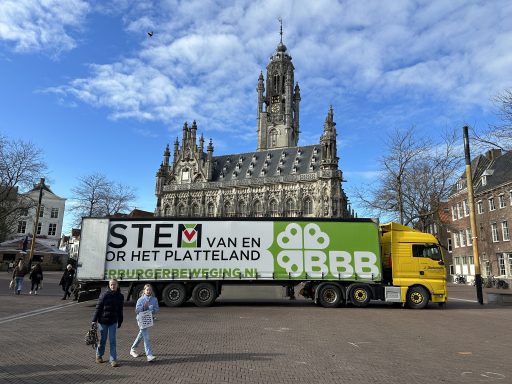
Another risk is that a Hunter seeks contact only when a replacement or contract renewal is imminent. Compare it to the politician who shows up only when elections are approaching, but remains invisible outside that period.
Each product and industry requires its own approach, but one thing is universal: selling is people work. Trust is not created when a customer has to decide, but well before that. Only when the customer knows for sure that he can trust the salesman will he dare to be really open.
A salesperson who invests in relationship management notices that everything runs more smoothly:
Even after the assignment, that relationship remains important. An account manager does not have to replace a service department, but keeping in regular contact keeps him in the picture. That way you avoid showing up only when you “have to sell something.”.
The best salesperson doesn't just hunt, he connects. That's where the real profit lies.
Good relationship management ensures that a customer maintains trust, even when something goes wrong. Thanks to contact with his own salesperson, the customer has an outlet, feels heard and the relationship remains intact. The next purchase then comes not out of necessity, but out of logic and trust.
No, a salesperson should not behave like a politician who shows up only when there is something to get. A good salesman finds the balance between Hunter and Business Friend: he hunts when necessary, but above all builds lasting relationships.
Perhaps therein also lies a valuable lesson for politicians: don't just be visible when the vote needs to be won, but keep listening, keep speaking and, above all, keep building trust.